Kickboxing and Muay Thai are both combat sports that involve striking with the hands, feet, knees, and elbows. While they share some similarities, they also have distinct differences in terms of techniques, rules, and cultural origins.
Kickboxing is a martial art and combat sport that originated in Japan in the 1960s. It combines elements of karate, boxing, and traditional Muay Thai techniques. In kickboxing, fighters use punches, kicks, and knee strikes to score points or knock out their opponents. The rules of kickboxing vary depending on the organization, but generally, strikes are delivered above the waist, and grappling or clinching is not allowed. Kickboxing is practiced both as a competitive sport and as a fitness activity for cardiovascular conditioning and self-defense training.
Muay Thai, also known as Thai boxing, is a traditional martial art and combat sport that originated in Thailand. It is often referred to as the “Art of Eight Limbs” because it utilizes punches, kicks, elbows, and knee strikes. Muay Thai places a strong emphasis on clinching, which allows fighters to control their opponents and deliver powerful strikes at close range. In addition to its use in combat sports, Muay Thai is deeply ingrained in Thai culture and is often practiced as a form of physical conditioning, self-defense, and spiritual development. Muay Thai matches are governed by strict rules and traditions, and fighters compete in rings while wearing traditional shorts and gloves.
While both kickboxing and Muay Thai involve striking with various parts of the body, Muay Thai is typically considered to be more versatile and emphasizes a wider range of techniques, including clinching and elbow strikes. Additionally, Muay Thai has a rich cultural heritage and is deeply rooted in Thai tradition and history.
Types of Kickboxing & Muay Thai Classes
Here are some types of KickBoxing and Muay Thai:
Types of Kickboxing:
- Full-contact Kickboxing: In full-contact kickboxing, fighters are allowed to use full force and power in their strikes, including punches and kicks. Knockouts are common in this style, and fighters wear gloves and protective gear.
- Low Kick Kickboxing: This style of kickboxing allows fighters to target the legs with low kicks, in addition to punches and kicks to the upper body. It’s similar to full-contact kickboxing but with a greater emphasis on leg strikes.
- American Kickboxing: American kickboxing is a variant of kickboxing that developed in the United States. It typically follows similar rules to full-contact kickboxing but may have some variations depending on the organization or promoter.
- K-1 Rules Kickboxing: K-1 is a kickboxing promotion based in Japan that has popularized a specific ruleset for kickboxing matches. K-1 rules allow a wide range of strikes, including punches, kicks, knees, and elbows, and matches often feature high-paced action and powerful exchanges.
Types of Muay Thai:
- Traditional Muay Thai: Traditional Muay Thai follows the rules and techniques that have been practiced in Thailand for centuries. It includes a wide range of strikes, clinching, and sweeps, and fighters compete in traditional attire.
- Dutch Style Muay Thai: Dutch-style Muay Thai, also known as “Dutch Kickboxing,” is a variation of Muay Thai that has been developed and popularized in the Netherlands. It emphasizes aggressive striking combinations and footwork, with less emphasis on traditional clinch techniques.
- Muay Thai with Elbows Only: Some variations of Muay Thai matches focus exclusively on elbow strikes, with fighters prohibited from using other types of strikes such as punches or kicks. These matches often highlight the devastating effectiveness of elbow strikes in combat.
- Muay Boran: Muay Boran is the ancient martial art from which modern Muay Thai evolved. It includes a wide range of techniques, including strikes, grappling, and weapons training, and is practiced more for cultural preservation and historical interest rather than as a competitive sport.
These are just a few examples of the different styles and variations of kickboxing and Muay Thai practiced around the world. Each style may have its own rules, techniques, and cultural influences, making them unique expressions of the martial arts.
Strike and Flow: The Path of Kickboxing and Muay Thai Mastery
Embark on a journey of empowerment and transformation with our dynamic kickboxing and Muay Thai classes. From the explosive strikes of kickboxing to the graceful clinches of Muay Thai, our comprehensive training programs offer a holistic approach to martial arts mastery. Led by expert instructors, our classes blend traditional techniques with modern training methods, providing a challenging yet rewarding experience for practitioners of all levels. Whether you seek to build strength, enhance agility, or cultivate mental resilience, our studio is your gateway to unlocking the full potential of striking arts. Join us on the path of Strike and Flow and unleash your inner warrior today.
Preparing for a kickboxing or Muay Thai class involves a combination of mental readiness and physical preparedness. Here’s what you should consider:
Appropriate Attire: Wear comfortable workout clothes that allow for ease of movement. Most practitioners opt for shorts and a t-shirt or tank top. Additionally, make sure to bring a towel and a change of clothes for after class.
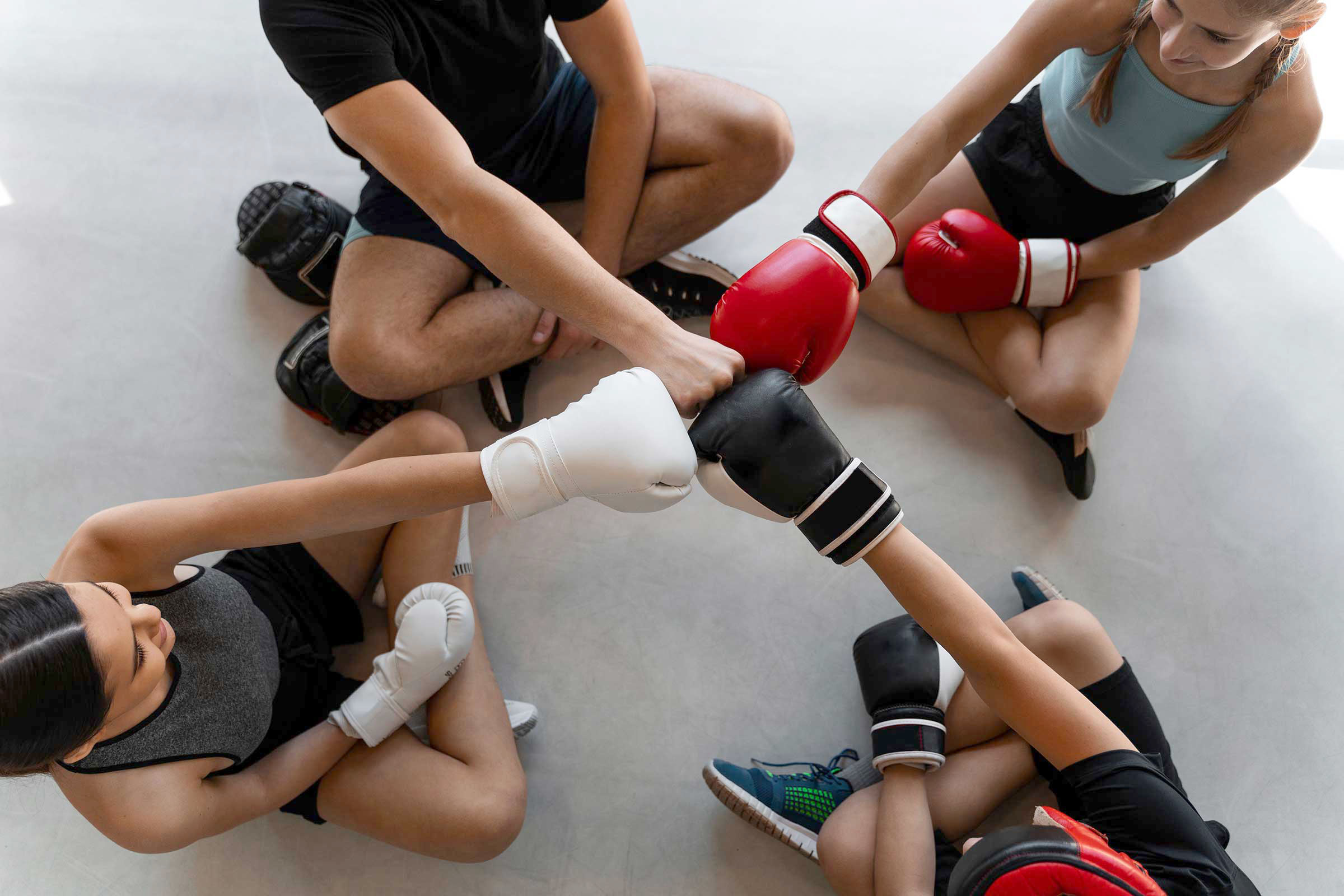
Hand Wraps and Gloves: Invest in a pair of hand wraps and gloves to protect your hands and wrists during training. Hand wraps provide added support and stability, reducing the risk of injury while punching.
Mouthguard: Protect your teeth and jaw by wearing a mouthguard. Even during drills and light sparring, accidents can happen, so it’s essential to prioritize safety.
Water Bottle: Stay hydrated throughout your training session by bringing a water bottle. Kickboxing and Muay Thai classes are intense workouts that will make you sweat, so it’s crucial to replenish fluids regularly.
Open Mindset: Approach the class with an open mind and a willingness to learn. Kickboxing and Muay Thai involve mastering new techniques and strategies, so be prepared to challenge yourself mentally and physically.
Respect and Discipline: Show respect to your instructors, fellow students, and the traditions of the martial arts. Discipline and humility are core values in both kickboxing and Muay Thai, so maintain a positive attitude and be receptive to feedback.
Warm-up: Arrive early to allow time for a proper warm-up before class begins. Stretching and light cardio will prepare your body for the intensity of the workout and help prevent injuries.
By preparing yourself mentally and physically, you’ll maximize your learning and enjoyment in kickboxing and Muay Thai classes while also promoting a safe training environment for yourself and others.